Top 5 Wildlife Problems Homeowners Face in Spring (Moorestown & South Jersey Guide)
- acornwildlifellc
- Mar 10
- 6 min read
As winter fades and warmer weather returns to Moorestown, Cherry Hill, Haddonfield, Marlton, and surrounding South Jersey communities, wildlife becomes much more active. Spring marks the beginning of breeding season for many animals, which means they start searching for warm, protected places to build nests and raise their young.
Unfortunately for homeowners, attics, crawlspaces, chimneys, and decks often provide the perfect shelter.
At Acorn Wildlife, spring is one of the busiest times of the year because animals begin moving into homes and properties throughout South Jersey. Many homeowners don’t realize there’s a problem until they start hearing scratching noises in their attic or noticing damage around their property.
Understanding the most common wildlife problems during spring can help you prevent costly damage and protect your home.
Below are the five wildlife problems we see most often in Moorestown and surrounding areas during spring, along with practical tips homeowners can use to prevent them.
1. Animals Moving Into Attics to Raise Their Young
One of the most common wildlife problems in spring is animals moving into attics to build nests and raise their babies. Warm attics provide protection from predators, weather, and other disturbances, making them extremely attractive to wildlife.
Animals that commonly invade attics in South Jersey include:
Raccoons
Squirrels
Flying squirrels
Opossums
These animals typically find entry points through small openings along the roofline, soffits, vents, or damaged siding.

Signs You May Have Animals in Your Attic
Many homeowners first notice attic wildlife activity through sounds. Some common warning signs include:
Scratching or scurrying noises in ceilings or walls
Thumping sounds at night or early morning
Strong odors coming from the attic
Insulation that appears disturbed or compressed
Droppings found in attic spaces
Raccoons, in particular, can cause serious damage when they enter attics. Female raccoons frequently tear insulation apart to create nesting areas for their babies.
Why Attic Wildlife Is a Serious Problem
Animals living in your attic can create several hazards, including:
Electrical wire damage from chewing
Insulation contamination from droppings and urine
Structural damage to vents and roof edges
Parasites such as fleas, ticks, and mites
If left untreated, a small wildlife problem can quickly turn into thousands of dollars in repair costs.
Prevention Tips for Homeowners
Homeowners can reduce the risk of attic wildlife by:
Inspecting rooflines for small openings or damage
Installing chimney caps and vent covers
Repairing loose soffits or roof vents
Trimming tree branches away from the roof
Even small gaps can allow animals to enter, so routine home inspections are important during spring.
2. Squirrels Chewing Into Homes
Squirrels become extremely active during spring as they build nests and prepare for their new litter of babies.
Unfortunately, squirrels are excellent climbers and chewers. They frequently chew through exterior building materials to gain access to attics.
Common squirrel entry points include:
Roof edges
Soffits
Attic vents
Fascia boards
Homes in wooded neighborhoods like Moorestown, Medford, and Marlton often experience higher squirrel activity because mature trees provide easy access to rooftops.

Why Squirrels Can Be Dangerous
While squirrels may seem harmless, they can cause serious damage inside homes.
One of the biggest concerns is their tendency to chew on electrical wiring. Damaged wiring increases the risk of house fires, making squirrel infestations particularly dangerous.
Squirrels also damage insulation and create large nesting areas inside attics.

Signs of a Squirrel Problem
Homeowners may notice:
Scratching or running noises during the daytime
Chewed wood or siding near the roofline
Squirrels frequently climbing on the roof
Visible entry holes near vents or soffits
How Homeowners Can Prevent Squirrel Entry
To discourage squirrels from entering your home:
Trim tree branches at least 6–8 feet away from the roof
Install wildlife-proof attic vent covers
Repair damaged soffits and fascia boards
Avoid leaving food sources outdoors
Taking preventative steps early in the season can help avoid costly wildlife removal later.
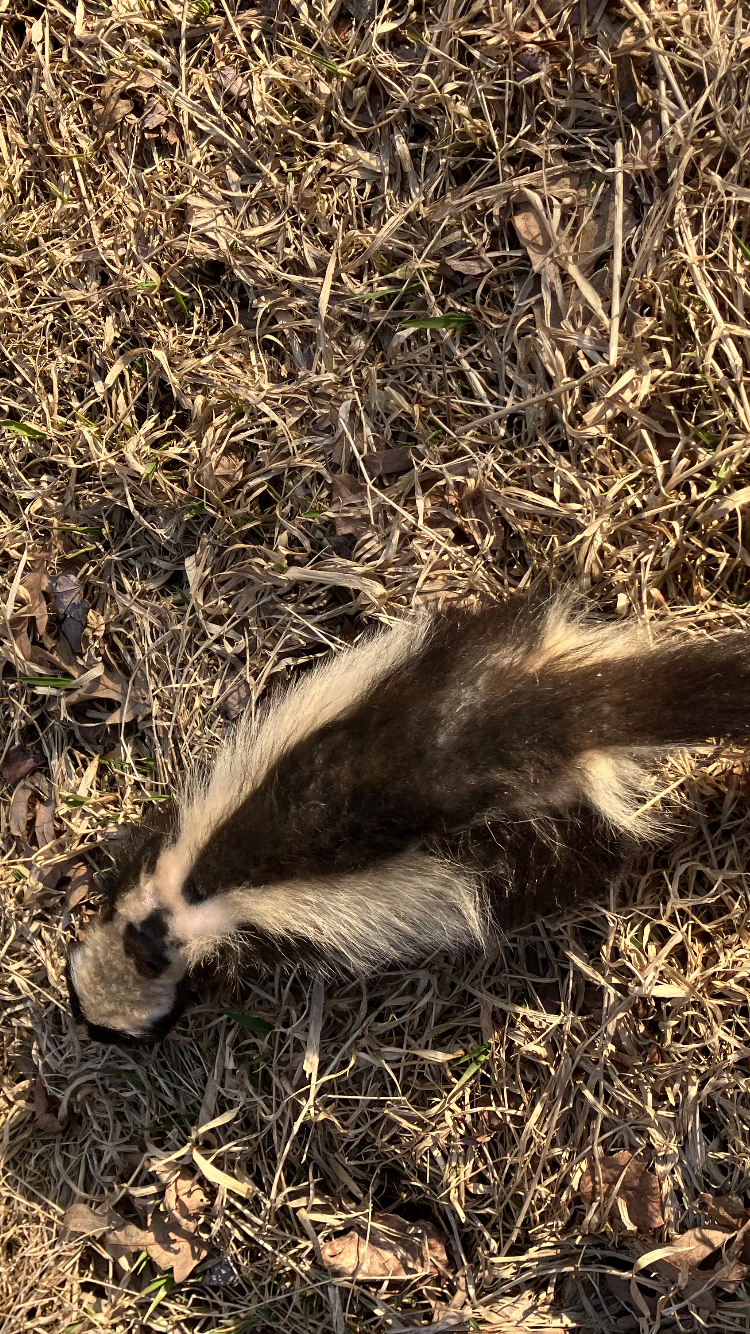
3. Skunks Digging Up Lawns
During spring, many homeowners across Cherry Hill, Mount Laurel, and Moorestown begin noticing small holes appearing throughout their lawns.
These holes are often caused by skunks searching for grubs and insects beneath the soil.
Skunks are very efficient diggers and can tear up sections of turf overnight while hunting for food.
Signs of Skunk Activity
Some common indicators include:
Small cone-shaped holes in lawns
Sections of turf flipped over
A strong musky odor near the property
Skunks spotted near decks or sheds
While lawn damage is frustrating, skunks can create other problems as well.
Why Skunks Can Be a Problem for Homeowners
Skunks often dig burrows under structures such as:
Decks
Porches
Sheds
Patios
Once they establish a den, they may remain on the property for extended periods.
Skunks can also carry diseases such as rabies and are well known for spraying pets that get too close.
How to Prevent Skunks on Your Property
Homeowners can reduce skunk activity by:
Treating lawns to reduce grub populations
Securing trash cans and outdoor food sources
Installing barriers around decks and sheds
Removing dense vegetation near structures
Eliminating food sources is one of the most effective ways to discourage skunks.
4. Birds Nesting in Vents and Chimneys
Spring is nesting season for many bird species in South Jersey. Unfortunately, birds often choose vents and chimneys as nesting locations because they provide shelter and warmth.
Some of the most common nesting locations include:
Bathroom exhaust vents
Dryer vents
Chimneys
These locations can quickly become blocked with nesting materials like twigs, leaves, and debris.
Why Vent Nesting Is a Serious Issue
Bird nests inside vents can create several hazards, including:
Blocked airflow in dryer vents
Increased risk of dryer fires
Moisture buildup and mold
Poor ventilation inside the home
Dryer vent nests are particularly dangerous because lint buildup combined with nesting material can become a major fire hazard.
Warning Signs of Birds Nesting in Vents
Homeowners may notice:
Birds repeatedly flying to the same vent
Chirping sounds inside walls or ceilings
Dryer taking longer to dry clothes
Visible nesting material near vents
Preventing Bird Nesting
Preventing bird nesting is usually simple with the right protective measures.
Homeowners should consider:
Installing vent covers
Installing chimney caps
Inspecting vents each spring
Proper vent protection can eliminate one of the most common wildlife problems homeowners experience during spring.
5. Increased Snake Sightings Around Homes
Spring also marks the return of snakes after winter dormancy.
While most snakes found in South Jersey are non-venomous, they can still cause concern for homeowners who encounter them on their property.
Snakes typically appear in yards where food sources and shelter are available.

What Attracts Snakes to a Property
Snakes are often drawn to properties that have:
Rodent activity
Tall grass or overgrown landscaping
Wood piles or debris piles
Dense shrubs or ground cover
Because snakes feed primarily on rodents, properties with mice or vole populations are more likely to see snake activity.
How to Reduce Snake Activity Around Your Home
Homeowners can discourage snakes by:
Keeping grass trimmed short
Removing wood piles and debris
Controlling rodent populations
Sealing small openings around foundations
Reducing shelter and food sources is the best way to prevent snakes from becoming frequent visitors.
Spring Wildlife Prevention Tips for South Jersey Homeowners
While wildlife problems can happen to any home, preventative maintenance greatly reduces the chances of animals entering your property.
Here are some of the most effective wildlife prevention steps homeowners can take each spring:
Inspect rooflines and vents for damage
Install chimney caps and vent covers
Trim tree branches away from roofs
Seal small exterior openings
Secure trash and outdoor food sources
Remove debris piles and wood stacks
Many wildlife intrusions start with very small openings, so early inspections can prevent major issues.
When to Call a Wildlife Professional
If you hear animals in your attic, see wildlife repeatedly around your home, or notice property damage, it’s important to address the problem quickly.
Spring is also when many animals have babies, which means wildlife removal must be handled carefully to ensure both the animals and homeowners are protected.
A professional wildlife inspection can help identify:
Entry points animals are using
Nesting areas
Damage inside the home
Long-term prevention solutions
Addressing wildlife problems early can prevent costly repairs and keep your home safe.

Wildlife Control in Moorestown and South Jersey
Acorn Wildlife provides humane wildlife control and exclusion services throughout South Jersey, including:
Moorestown
Haddonfield
Cherry Hill
Marlton
Medford
Mount Laurel
Our goal is to solve wildlife problems while helping homeowners prevent them from returning.
Final Thoughts
Spring is when wildlife activity increases dramatically throughout South Jersey. Animals searching for shelter and nesting areas often end up inside homes, attics, and around properties.
By understanding the most common wildlife problems during spring and taking preventative steps early, homeowners can reduce the risk of damage and keep their property protected.
If you suspect wildlife has already entered your home, addressing the issue quickly is the best way to prevent further damage.


Comments